Dressing Two Cities at Once
Maconda Apparel is a family clothing brand from Cali, Colombia. They make handmade sportswear and plus-size clothing.
-
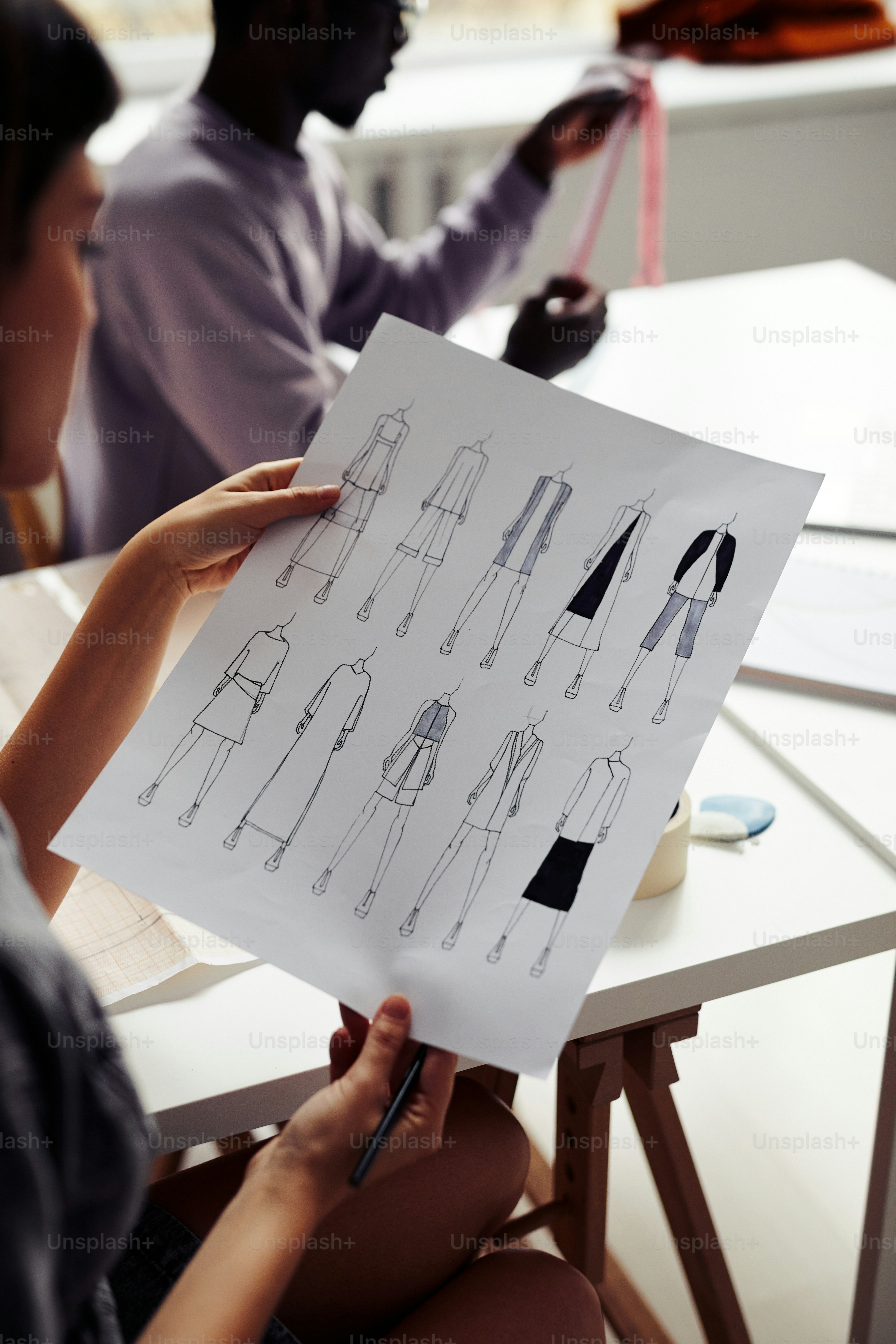
Maconda have been doing it for years the way many family businesses do: through printed catalogues, word of mouth, and relationships built in person. A daughter of the family moved to Sydney to study, saw an opportunity, and had an idea: why not sell in both markets at the same time?
That idea is how this project started.
I came in through a mutual contact. The brief was straightforward on the surface: build a website for a clothing brand that needs to sell in Colombia and Australia simultaneously. But the more I looked at it, the more interesting the problem became. This was not just a website. It was a small international operation that needed to work seamlessly for two very different buyers, in two different currencies, with two different shipping realities, and two different tax systems.
The first thing I did was sit down with the family to understand the business: what they sold, how they priced it, who bought it, and what the catalogues they had been using for years actually looked like. Those printed catalogues were useful. They showed how the family thought about their own product, how they organised it, and what details mattered to them. That was the starting point for the information architecture of the site.
From there I mapped out the two markets. A buyer in Cali is local. Shipping is fast, payment is in pesos, and the experience of buying from a family brand in your own city carries a certain trust. A buyer in Sydney is different. She is probably Colombian, or at least Latin American, buying something she recognises and trusts from home. But the transaction is international: Australian dollars, international shipping, GST instead of IVA, and a time zone that is roughly twelve hours ahead of Cali.
Both journeys needed to feel simple, even though the back end was anything but.
I defined four user types to guide the design decisions: the Cali buyer who shops regularly and knows the brand, the Sydney buyer who is discovering it for the first time, the occasional browser who might convert with the right nudge, and the returning customer who just wants to find her size and check out quickly. Size search was the priority across all of them. For plus-size clothing especially, if a buyer cannot find her size in the first few clicks, she leaves.
The visual direction came from the clothes themselves. The brand's palette, warm terracottas, soft neutrals, deep blues, was already there in the catalogue. I took those tones and built a visual identity around them that felt confident and aspirational. Most plus-size fashion sites at the time fell into one of two traps: either they over-explained the sizing in a way that felt apologetic, or they tried too hard to look like mainstream fashion brands and lost their own identity. Maconda had a genuine story: a family in Cali making clothes by hand. That story was the strongest asset the site had, and the design needed to make space for it.

Prata for headlines, Open Sans for body, and a palette pulled directly from the clothes: terracotta, laguna, and flamenco pink.
Technically, the most complex part was making WooCommerce handle two markets without creating confusion. Multi-currency display, dynamic shipping costs based on destination, and separate tax configurations for Colombia and Australia. In a platform like WordPress that is manageable, but it requires careful plugin selection and testing to make sure a buyer in Sydney sees Australian dollars and correct shipping rates without any extra steps on her end.
The site is currently live at maconda.com.au. The shop functionality is built and working. The full catalogue is still being populated, which is normal for a business transitioning from physical to digital for the first time. That transition takes time, and the infrastructure is ready for when it happens.
Thanks for reading!