Getting a Shot at an Agency Project
In 2021, I found a freelance listing on Seek from a digital agency in Adelaide.
-
Boylen were looking for a web designer to join their production team on a contract basis. I applied, and they got back to me.
Before assigning any client work, the agency gave me a trial project: a landing page for a biotech company in the agricultural sector. A focused brief, a single page, and a clear test of whether I could work within their process and standards. I delivered it, they approved it, and shortly after that they introduced me to the actual project.
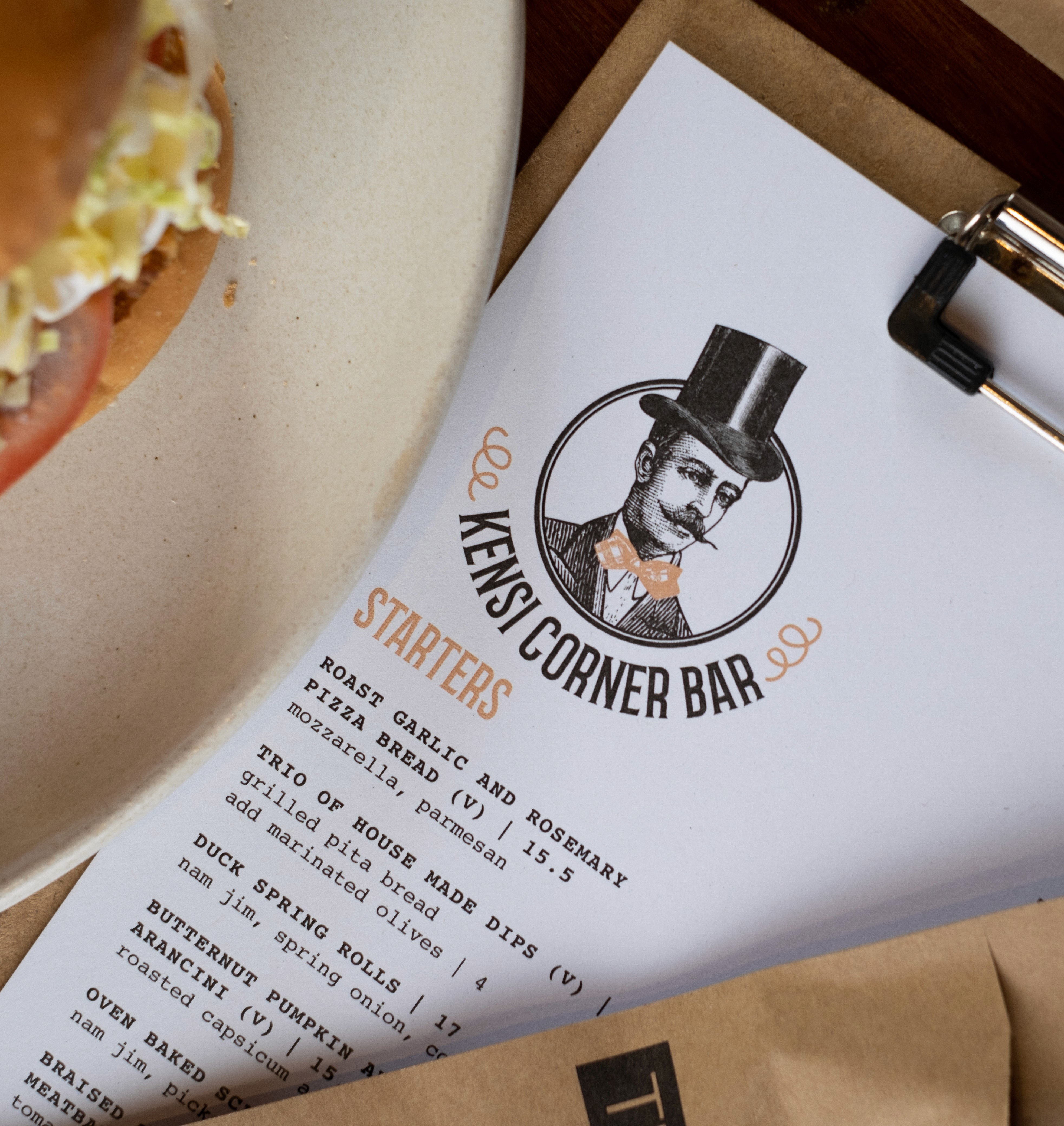
The Kensington Hotel. Est. 1849.
Part of the Hurley Hotel Group, a collection of venues across South Australia. If you are not from Australia, there is something worth knowing: hotels here are pubs. Not accommodation. The word hotel in this context means a licensed venue, a place where people go to eat, drink, watch sport, and spend an afternoon. The venue had been doing exactly that since 1849, and the website needed to reflect that history while still feeling easy to navigate.
The first thing I did was study the other sites the agency had built for the same hotel group. Marion Hotel, Port Lincoln Hotel, Ivory Waterside, TA Hotel, Arkaba Hotel. They all shared the same header and footer structure, the same general layout logic. That consistency was intentional and smart. The group had a visual system that worked across venues, and this project needed to fit within it while still having its own identity.
I also spent time researching Australian pub and hotel websites more broadly, looking at how they handled menus, events, bookings, and imagery. The category has its own visual conventions, and understanding those before making any decisions saved time and kept the design grounded in what actually works for this type of venue.
The design direction I proposed focused on three things. First, a clear hierarchy that let people scan quickly and find what they came for: food, drinks, events, contact. Second, a user-centred structure that answered the most common questions without making anyone dig. Third, restraint: fewer elements, more space, letting the imagery and the venue's history carry the visual weight.
I delivered the designs as a Figma prototype, desktop and mobile, across multiple rounds of iteration based on feedback from the agency and the client.
The design currently live on the site is the one I produced. The development team translated it faithfully into WordPress, and the result is essentially what I designed.
One thing I would handle differently today is the Figma file structure. My handoff was functional but not as organised as it could have been. Applying atomic design principles more rigorously from the start would have made things smoother for the developer and reduced back and forth during the build. It is a discipline I have been more deliberate about ever since.
The agency gave me a real opportunity at a time when I was still finding my footing in the Australian market. It was a proper brief, with a real client, real feedback, and real stakes. That kind of experience is hard to replicate any other way, and I am grateful for it.
The venue has been serving the same neighbourhood since before Federation. The website just needed to make it easier to find the place, see what was on, and decide to show up. That part, I think, we got right.
Thanks for reading!